

Advanced NDT
X-ray and gamma
radiography
Seeing through
steel
X-ray and gamma radiography both use a beam of ionizing radiation directed at the part under examination. The choice between the two methods depends on the specific needs of the application and the material to be inspected. For over 45 years, we have been performing non-destructive testing both nationally and internationally.
Radiographic
method
The radiographic method involves the use of X-rays or gamma rays to produce images of the materials being inspected. An x-ray machine (X-ray tube or linear accelerator) emits radiation that passes through the material and creates an image on a sensitive detector. Dense areas absorb radiation more, producing darker areas in the x-ray image, highlighting material gaps (defects such as cracks or cavities) or inclusions of foreign material. Used in the manufacturing industry to inspect welds, castings and metal components, it also finds applications in civil engineering to analyze building and bridge structures.
The advantages of x-ray in NDT
Penetration depth
Radiographs use X-rays or gamma rays that effectively penetrate materials, allowing the detection of defects within thick or dense components.
Simplicity of
interpretation
Radiographs directly produce images of the internal structure of materials, allowing a direct evaluation that can be simpler and more accurate than instrumental methods.
Versatility
X-rays and gamma rays can pass through various materials, including metals, plastics and ceramics, making x-rays suitable for a wide range of industrial applications.
Quick
exposure
In cases where rapid inspection is required, the relatively short exposure times of radiographs can be advantageous, allowing rapid results to be obtained.
Gammagraphic method
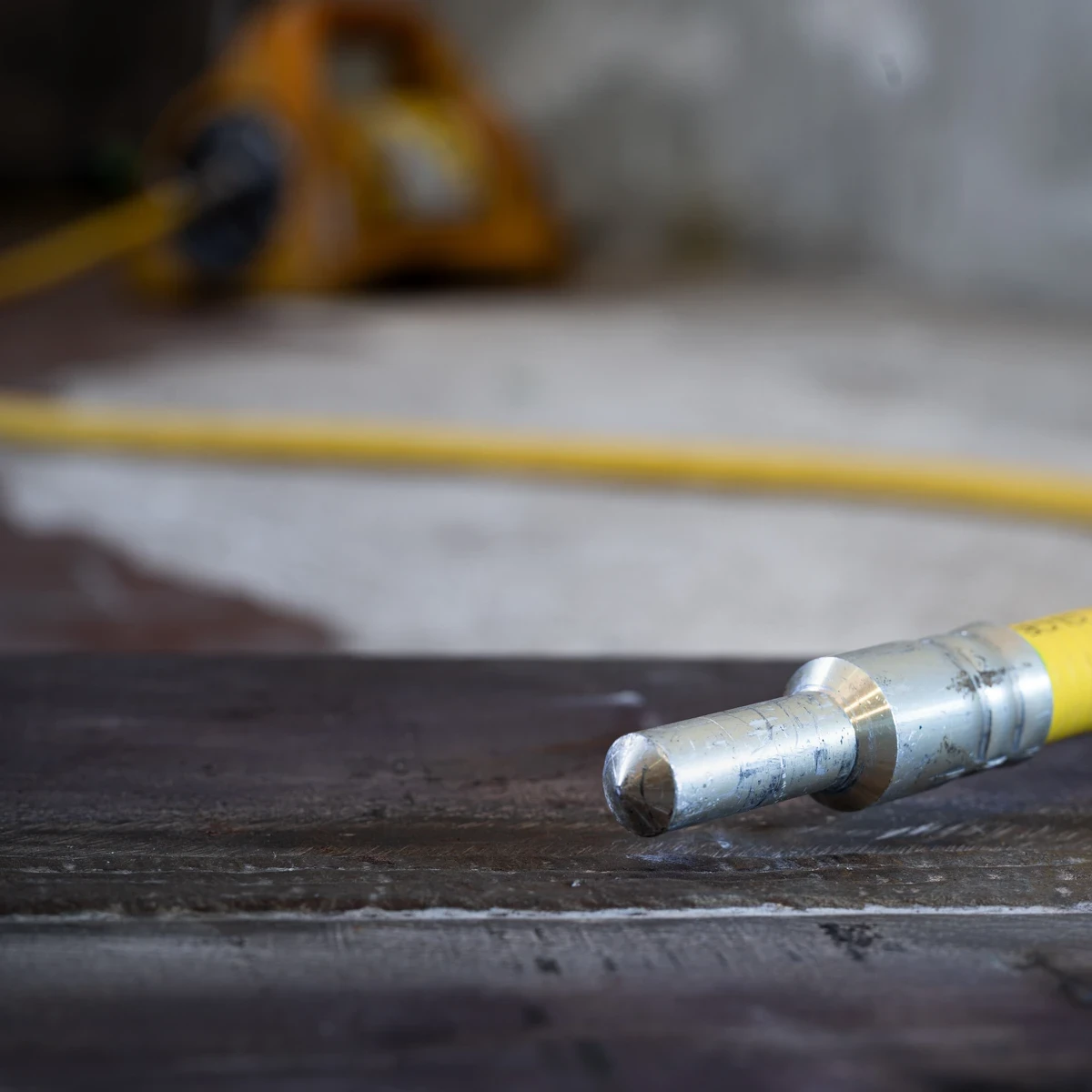
The gammagraphic method is a specific form of radiography that uses radioactive sources, such as Cobalt-60 or Iridium-192. These sources do not require electrical power, and are much smaller in size than X-ray tubes, making this technique ideal for construction site inspections. Furthermore, the higher energy of the radiation used allows to check greater thicknesses than X-rays. Widely used in the Oil & Gas sector to inspect pipes and pressure vessels, this method allows you to check complex structures that are difficult to access.

The advantages of gamma radiography in NDT
Superior penetration depth
Radioactive sources used in gamma radiography, such as Cobalt-60, emit high-energy gamma rays that have greater penetrating power than X-rays.
Portability
Radioactive sources are relatively portable, allowing flexible inspection in different positions and angles, both in the field and in the laboratory.
Structural
safety
Gamma radiography is invaluable in the inspection of complex and inaccessible structures, such as underground pipes, where they can be used to carry out checks even in confined spaces.
Gammagraphy
with Cobalt-60
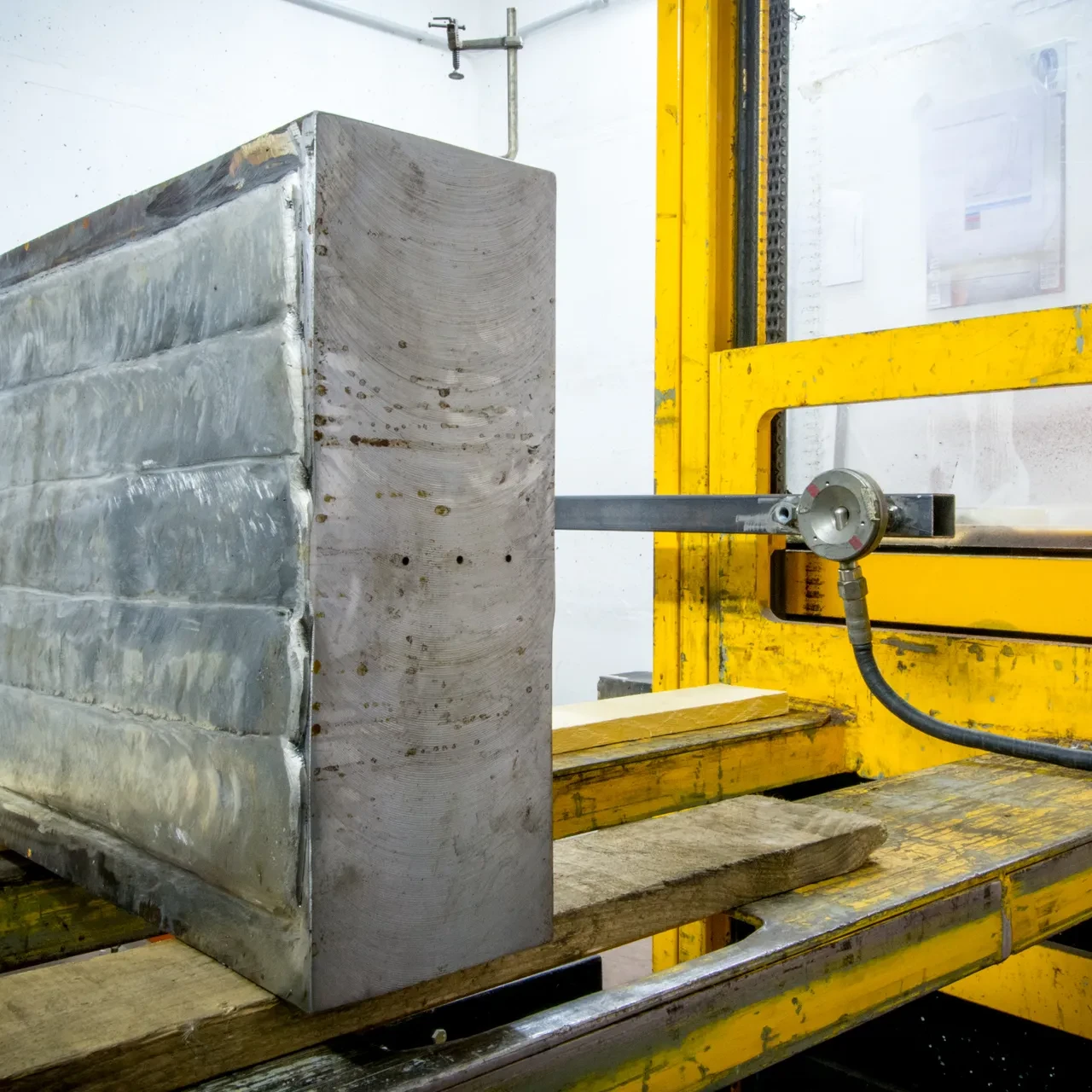
We have equipment to perform gammagraphy using Cobalt-60. The use of this source allows to carry out checks on high thicknesses (up to 200 mm of steel) even in difficult environmental situations. In the context of non-destructive testing (NDT), Cobalt-60 (Co-60) has proven to be a valuable source for detecting and evaluating imperfections within materials and structures without damaging them. Cobalt-60 is a radioactive source that emits high-energy gamma rays, making it ideal for industrial radiography. This technique is used to identify defects such as cracks, inclusions and porosity within metallic and non-metallic materials.
Request information
Need a
look inside?
Tell us the component, the material and the wall thickness. We will propose X-ray or gammagraphy and send you a quote.